Valdosta Asphalt Repair Pros
(229) 555-5555
Sealcoating in Valdosta, GA
Valdosta Asphalt Repair Pros uses sealcoating to help asphalt surfaces from premature wear caused by heat, sunlight, moisture, and daily traffic. Asphalt naturally breaks down over time as oils dry out and the surface becomes brittle. Sealcoating is designed for residential driveways and commercial pavement where asphalt remains structurally sound but shows signs of surface aging, fading, or minor wear. Proper sealcoating helps preserve flexibility, improve appearance, and extend the usable life of existing asphalt..
What Sealcoating Is Designed to Do
Sealcoating acts as a protective layer applied to the surface of asphalt pavement. It helps shield the asphalt from environmental exposure while slowing the oxidation process that leads to cracking and surface breakdown. While sealcoating does not repair structural damage, it plays an important role in pavement maintenance by protecting surfaces that are still in good condition. When applied at the right time, sealcoating helps reduce future deterioration and supports longer pavement performance.
Why Sealcoating Matters in Valdosta
Valdosta’s climate places consistent stress on asphalt surfaces. Extended heat and direct sun exposure accelerate oxidation, causing asphalt to dry out and lose flexibility. As the surface becomes more brittle, it becomes more vulnerable to cracking and water intrusion. Rainfall further contributes to wear when water penetrates small surface openings. Sealcoating helps limit these effects by creating a barrier that reduces moisture penetration and sun damage, making it an important maintenance step in this region.
FREE QUOTE
Fill out your information below to receive a free quote.
Signs Asphalt May Benefit From Sealcoating
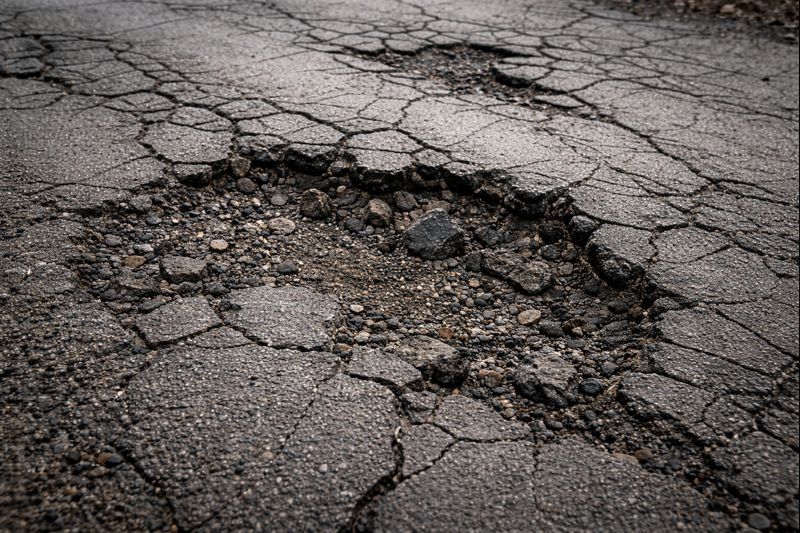
Asphalt that appears faded, gray, or dry often benefits from sealcoating. Fine surface cracks, known as hairline cracking, can also indicate that protective oils have begun to wear away. Sealcoating is most effective when applied before major cracking or surface failure occurs. Applying it too late, when structural damage is present, limits its effectiveness. Evaluating surface condition helps determine whether sealcoating is appropriate.
How Sealcoating Is Applied
Sealcoating typically begins with surface preparation to ensure proper adhesion. The pavement is cleaned to remove dirt, debris, and vegetation, and minor surface issues may be addressed before application.Once prepared, sealcoat material is applied evenly across the surface using appropriate methods based on pavement size and use. After application, the surface is allowed to cure before traffic resumes. Proper curing is essential for performance and durability.
Residential Sealcoating Applications
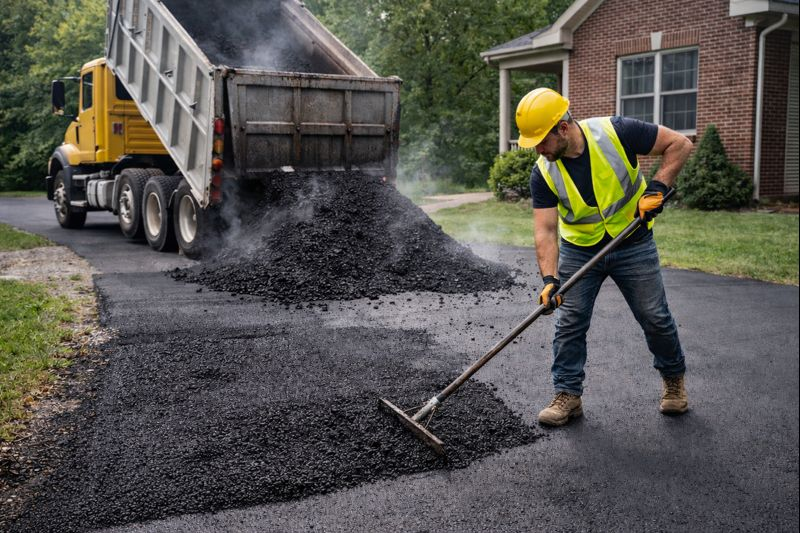
For homeowners, sealcoating is commonly used to maintain asphalt driveways. It helps protect the surface from sun exposure, vehicle fluids, and moisture while restoring a darker, more uniform appearance. Regular sealcoating can slow driveway aging and reduce the likelihood of future cracking. It also improves curb appeal and helps preserve the overall condition of the driveway.
Commercial Sealcoating Applications
Commercial properties rely on sealcoating to help protect parking lots and paved areas exposed to constant traffic. High-use surfaces experience faster oxidation and wear, making protective maintenance especially important. Sealcoating helps commercial pavement maintain a professional appearance while supporting long-term usability. Proper scheduling helps minimize disruption to daily operations.
Sealcoating Compared to Other Asphalt Services
Sealcoating differs from repair services such as crack repair or patching. While repairs address existing damage, sealcoating focuses on prevention and surface protection. It is most effective when used as part of a broader pavement maintenance plan. Understanding its role helps property owners determine when sealcoating is appropriate and when repair services are needed instead.
What Happens If Asphalt Is Not Seal coated
Without protective maintenance, asphalt surfaces continue to age and deteriorate more quickly. Oxidation dries out the surface, increasing susceptibility to cracking and moisture damage.As deterioration progresses, repair needs become more frequent and extensive. Sealcoating helps slow this process and reduce long-term maintenance demands when applied at the right stage.
Factors That Influence Sealcoating Effectiveness
The effectiveness of sealcoating depends on surface condition, weather timing, and application quality. Asphalt must be structurally sound and properly prepared for sealcoating to perform as intended. Traffic exposure and curing time also influence results. Evaluating these factors helps ensure sealcoating provides meaningful protection rather than temporary coverage.
Frequently Asked Questions About Sealcoating
What is the main purpose of sealcoating asphalt?
Sealcoating is intended to protect asphalt surfaces from environmental exposure that accelerates deterioration. Sunlight and heat cause oxidation, which dries out the asphalt and reduces flexibility over time. Sealcoating slows this process by creating a protective barrier that limits UV exposure and moisture penetration. While it does not fix structural damage, sealcoating helps preserve surfaces that are still in serviceable condition and supports longer pavement life.
How often should asphalt be seal coated?
The frequency of sealcoating depends on traffic volume, surface condition, and climate exposure. In warmer climates like Valdosta, asphalt may age more quickly due to prolonged sun exposure, making regular evaluation important. Residential driveways and commercial lots may have different maintenance intervals based on usage. Rather than following a fixed schedule, sealcoating is most effective when applied based on surface wear and overall pavement condition.
Can sealcoating be applied to cracked asphalt?
Sealcoating can be applied to asphalt with very minor surface cracking, but it is not a substitute for repair. Larger cracks or areas with active deterioration should be addressed before sealcoating is considered. Applying sealcoat over unresolved damage can trap issues beneath the surface and reduce effectiveness. Proper preparation ensures sealcoating provides protection rather than temporary coverage.
Is sealcoating suitable for both residential and commercial pavement?
Yes. Sealcoating is commonly used for residential driveways as well as commercial parking lots and paved areas. For homeowners, sealcoating helps protect driveways from sun exposure, vehicle fluids, and moisture while restoring a darker, more uniform appearance. For commercial properties, sealcoating supports surface durability under regular traffic and helps maintain a clean, well-maintained appearance. Application methods and scheduling may vary depending on surface size and use.
How long does sealcoating take to cure?
Curing time depends on weather conditions, surface temperature, and the sealcoat material used. In general, asphalt surfaces need a period without traffic to allow the sealcoat to set properly. Residential driveways often require a shorter downtime than large commercial lots, which may be phased to maintain access. Allowing adequate curing time helps ensure the sealcoating performs as intended.
Does sealcoating improve the appearance of asphalt?
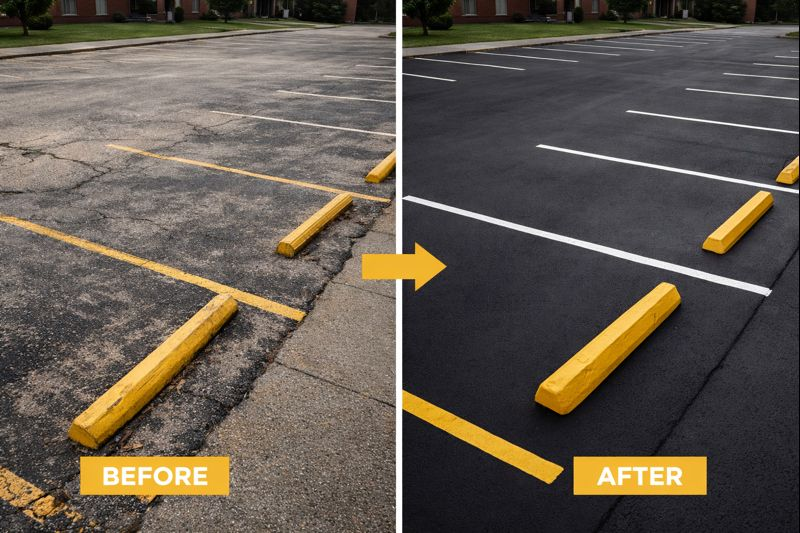
While sealcoating is primarily a protective service, improved appearance is a common benefit. Sealcoated asphalt typically has a darker, more consistent finish that helps mask minor surface wear. For homeowners, this can enhance curb appeal, while commercial properties benefit from a cleaner, more uniform look. Appearance improvements also make it easier to identify future surface issues during routine maintenance.
If your asphalt surface appears faded or shows early signs of wear, sealcoating can help protect the pavement and slow further deterioration. Valdosta Asphalt Repair Pros works with residential and commercial property owners to evaluate surface condition and explain whether sealcoating is an appropriate maintenance option.