Valdosta Asphalt Repair Pros
(229) 555-5555
Asphalt Patching in Valdosta, GA
Valdosta Asphalt Repair Pros helps property owners correct localized pavement failures before they expand into larger surface breakdown. When sections of asphalt deteriorate due to moisture intrusion, traffic stress, or base weakness, the surface can break apart and allow water and debris to penetrate beneath the pavement. This service is designed for residential driveways and commercial asphalt where isolated damage has progressed beyond simple sealing. Proper asphalt patching restores surface stability, improves load support, and helps extend the usable life of the existing pavement.
What Asphalt Patching Is Used For
Asphalt patching focuses on repairing specific sections of pavement rather than treating the entire surface. It is commonly used when damage is isolated to certain areas but deep enough that crack repair alone is no longer sufficient.
Patching typically addresses spots where asphalt has deteriorated due to moisture intrusion, traffic stress, or aging materials. By removing damaged material and replacing it with new asphalt, patching restores structural integrity to the affected area and helps maintain overall pavement performance.
Common Situations That Require Asphalt Patching
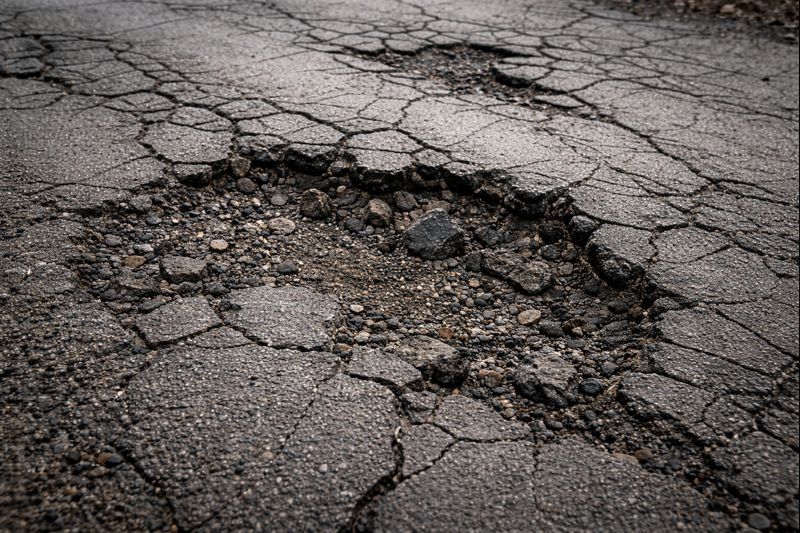
Asphalt patching is often needed when cracks expand into potholes or when sections of pavement begin to sink or crumble. These issues may develop near drive lane edges, parking lot entrances, drainage areas, or spots exposed to frequent vehicle turning.
In residential settings, patching is commonly used for driveway depressions or areas where water collects. Commercial properties often require patching in high-traffic zones where repeated loading accelerates surface breakdown. Identifying these problem areas early helps limit the extent of repairs needed.
FREE QUOTE
Fill out your information below to receive a free quote.
Why Asphalt Deterioration Occurs in Valdosta
Valdosta’s climate contributes to asphalt deterioration in several ways. Prolonged heat and sun exposure can dry out asphalt binders, reducing flexibility and making the surface more prone to cracking and breakup. Once cracks form, rainfall allows moisture to penetrate beneath the surface and weaken the base.
Traffic load further stresses compromised pavement, especially in commercial areas. Over time, these factors combine to create localized failures that require patching to restore usability and prevent further damage.
How Asphalt Patching Is Performed
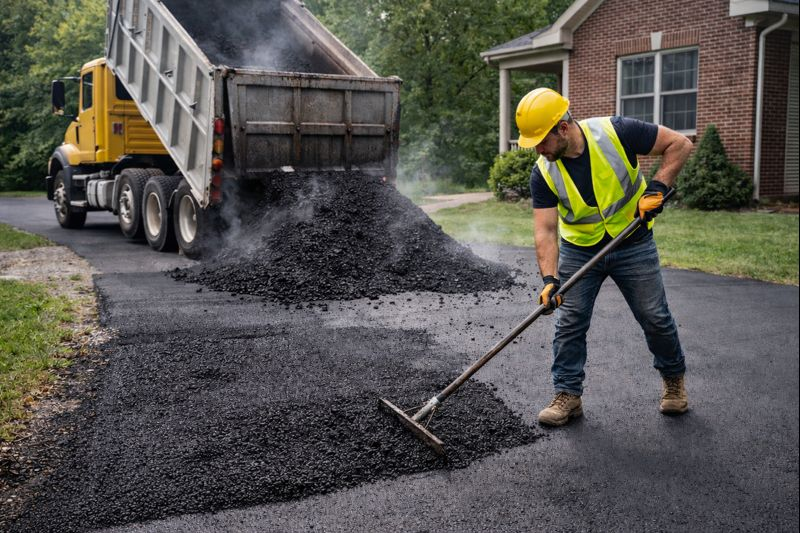
Asphalt patching typically begins with removing damaged asphalt from the affected area. This step ensures that weakened material is fully eliminated rather than covered over. The underlying base is then evaluated to confirm it can support new asphalt. Once prepared, new asphalt material is placed, compacted, and leveled to match surrounding pavement. Proper compaction and blending are essential to ensure the patched area performs consistently with the existing surface and resists premature failure.
Residential Asphalt Patching Applications
For homeowners, asphalt patching is often used to repair driveway potholes, depressions, or deteriorated sections near edges or slopes. These issues can affect drainage, vehicle safety, and overall appearance. Patching helps restore a smooth driving surface and prevents localized damage from expanding. Addressing these areas promptly supports the long-term usability of the driveway and reduces the likelihood of more extensive repairs.
Commercial Asphalt Patching Applications
Commercial pavement experiences heavier use and greater stress. Parking lots, drive lanes, and loading areas are especially vulnerable to surface breakdown when moisture and traffic combine.
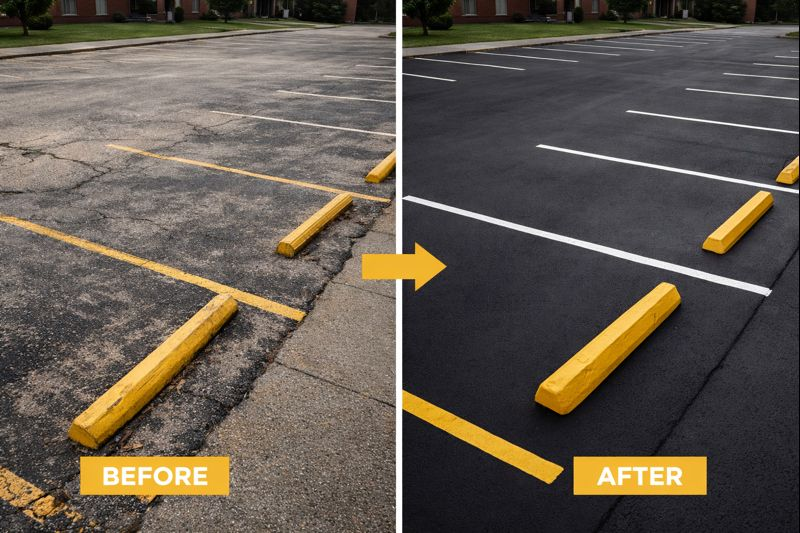
Asphalt patching allows commercial property owners to address damaged areas without resurfacing the entire lot. This helps maintain safe conditions for vehicles and pedestrians while managing maintenance costs more effectively.
Factors That Influence Asphalt Patching Scope
The size and depth of the damaged area play a significant role in determining the scope of patching work. Shallow surface failures may require limited patching, while deeper deterioration may involve base preparation.Drainage conditions, traffic exposure, and pavement age also affect how patching is performed. Evaluating these factors helps ensure repairs are matched to the specific conditions of the pavement.
What Happens If Damaged Areas Are Not Patched
Ignoring localized asphalt damage allows deterioration to spread into surrounding pavement. Water intrusion and traffic stress can cause small failures to expand rapidly, increasing repair costs.Over time, unaddressed damage may compromise larger sections of pavement, making patching less effective and leading to more extensive corrective work. Timely patching helps preserve pavement structure and usability.
What Happens If Asphalt Cracks Are Ignored
Asphalt patching differs from crack repair and resurfacing in both purpose and application. Crack repair seals surface openings, while patching replaces sections of damaged asphalt. Resurfacing addresses broader surface wear across large areas.
Patching is most appropriate when damage is localized but structurally significant. Understanding where patching fits within overall pavement maintenance helps property owners choose the most practical solution.
Frequently Asked Questions About Asphalt Patching
What types of asphalt damage require patching instead of crack repair?
Asphalt patching is typically required when damage extends beyond surface cracking into deeper deterioration. Potholes, crumbling areas, and surface depressions often indicate that underlying material has failed and needs to be removed and replaced rather than sealed.
Is asphalt patching a permanent repair?
Asphalt patching is intended to restore structural integrity to damaged areas and significantly extend pavement life. While asphalt will continue to age over time, properly executed patching provides long-lasting results when underlying conditions are addressed and routine maintenance is performed.
Can patched areas withstand heavy traffic?
Yes, when patching is performed correctly and compacted properly, patched areas can support normal vehicle traffic. In commercial settings, repairs are matched to traffic demands to help ensure durability under repeated use.
Will patched areas look different from the rest of the pavement?
Patched areas may initially appear slightly different in color or texture due to new asphalt material. Over time, exposure to traffic and weather helps blend the repair into the surrounding pavement.
Does asphalt patching help improve drainage issues?
Patching can help correct localized drainage problems caused by depressions or surface failures. However, broader drainage issues may require additional evaluation to prevent recurring damage.
How do I know if patching is enough or if resurfacing is needed?
Patching is appropriate when damage is limited to specific areas and the surrounding pavement remains structurally sound. Widespread deterioration or recurring failures may indicate that resurfacing or other services should be considered. A professional assessment helps determine the best approach.
If your asphalt surface has potholes, depressions, or localized damage, patching can help restore functionality and prevent further deterioration. Valdosta Asphalt Repair Pros works with residential and commercial property owners to evaluate pavement conditions and explain appropriate repair options.