Valdosta Asphalt Repair Pros
(229) 555-5555
Asphalt Resurfacing in Valdosta, GA
Valdosta Asphalt Repair Pros uses asphalt resurfacing to restore worn pavement surfaces without removing and replacing the entire asphalt structure. Over time, asphalt surfaces experience surface aging, widespread cracking, and reduced performance due to heat, traffic, and environmental exposure. This service is designed for residential and commercial properties where the asphalt base remains structurally sound, but the surface layer has deteriorated. Proper resurfacing improves durability, restores appearance, and extends the usable life of existing pavement.
What Asphalt Resurfacing Involves
Asphalt resurfacing focuses on renewing the top layer of pavement while preserving the underlying base. Rather than rebuilding from the ground up, resurfacing adds a new asphalt layer over the existing surface after proper preparation. This process allows property owners to address surface-level wear while maintaining the original pavement structure. When performed at the right time, resurfacing provides a cost-effective way to restore performance and appearance without full replacement.
When Asphalt Resurfacing Is the Right Solution
Resurfacing is typically appropriate when asphalt shows widespread surface wear but does not have extensive base failure. Common indicators include uniform cracking, surface oxidation, fading, and reduced traction. If pavement issues are limited to the surface layer, resurfacing can restore smoothness and protect the underlying structure. However, if deep structural problems are present, additional services may be required before resurfacing is considered.
FREE QUOTE
Fill out your information below to receive a free quote.
Why Asphalt Surfaces Deteriorate in Valdosta
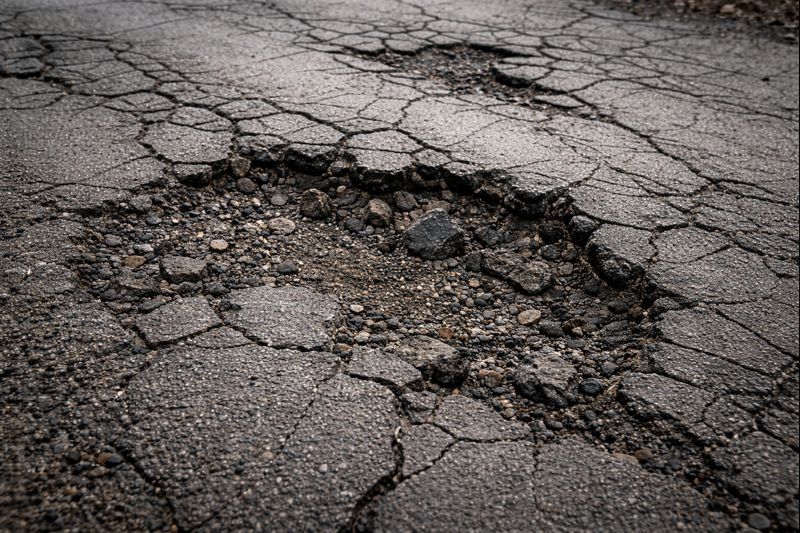
Valdosta’s climate contributes significantly to asphalt aging. Extended heat and sun exposure accelerate oxidation, causing asphalt binders to dry out and lose flexibility. As the surface becomes brittle, cracking becomes more widespread. Seasonal rainfall further impacts pavement when water penetrates surface openings. Traffic load compounds these effects, especially in commercial settings. Over time, these factors combine to create surface conditions that make resurfacing a practical maintenance option.
How Asphalt Resurfacing Is Performed
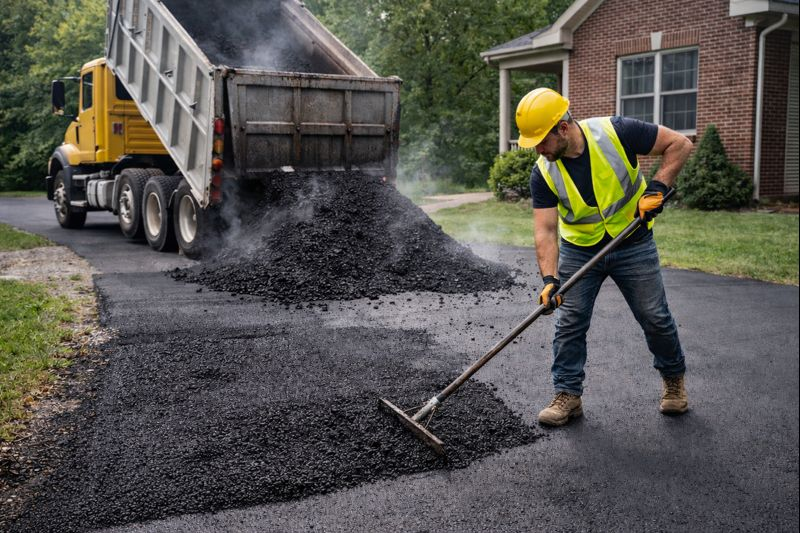
Asphalt resurfacing begins with evaluating the existing pavement to confirm it can support a new surface layer. Preparation may include cleaning the surface, addressing cracks or localized failures, and correcting drainage issues. Once prepared, a new layer of asphalt is applied evenly across the surface and compacted to ensure proper bonding and load support. The result is a renewed pavement surface that integrates with the existing structure and performs consistently under use.
Residential Asphalt Resurfacing Applications
For homeowners, asphalt resurfacing is often used to restore aging driveways that show widespread wear but remain structurally stable. Resurfacing improves driving comfort, appearance, and surface durability. This approach allows homeowners to refresh their driveway without the disruption or cost associated with full replacement. It also helps protect the underlying pavement from continued deterioration.
Commercial Asphalt Resurfacing Applications
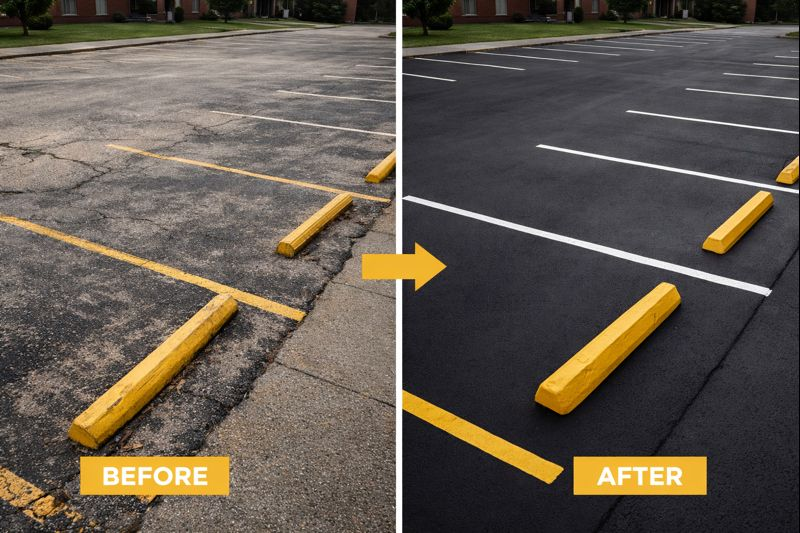
Commercial properties commonly use resurfacing to restore parking lots, drive lanes, and paved areas with uniform surface wear. High-traffic environments accelerate surface aging, making resurfacing an effective solution when the base remains intact. Resurfacing helps commercial pavement handle ongoing use while maintaining a professional appearance. Proper planning allows resurfacing to be completed with minimal disruption to daily operations.
Asphalt Resurfacing vs. Repair or Replacement
Asphalt resurfacing falls between repair and full replacement in terms of scope. Repair addresses localized damage, while replacement involves rebuilding the pavement structure entirely. Resurfacing is appropriate when damage is widespread across the surface but structural integrity remains. Understanding these distinctions helps property owners select the most practical and cost-effective solution for their pavement.
Benefits of Asphalt Resurfacing
Resurfacing provides several advantages, including improved surface performance, extended pavement lifespan, and enhanced appearance. It also reduces the need for frequent localized repairs when surface wear is uniform. By renewing the surface layer, resurfacing helps protect the underlying base from further exposure and deterioration. This makes it a valuable option within a long-term pavement maintenance strategy.
What Happens If Worn Asphalt Is Not Resurfaced
If worn asphalt is not resurfaced, surface deterioration continues and exposes deeper layers to moisture and traffic stress. Over time, this can lead to base failure and more extensive damage. Delaying resurfacing often increases repair costs and limits available options. Addressing surface wear early helps preserve pavement integrity and reduce long-term maintenance needs.
Frequently Asked Questions About Asphalt Resurfacing
What types of asphalt surfaces are good candidates for resurfacing?
Asphalt surfaces with widespread surface wear but a stable underlying base are typically good candidates for resurfacing. This includes driveways and parking lots with uniform cracking, fading, or reduced traction. If the pavement structure beneath the surface is still sound, resurfacing can restore performance effectively. A surface evaluation helps confirm whether the base can support a new asphalt layer.
How is resurfacing different from adding a simple overlay?
Resurfacing involves proper preparation of the existing pavement, including cleaning, repairing localized damage, and ensuring proper bonding. Simply adding material without preparation can lead to premature cracking or separation. True resurfacing is designed to integrate the new layer with the existing surface for long-term performance. Preparation is a key factor in durability.
How long does asphalt resurfacing typically last?
The lifespan of resurfaced asphalt depends on traffic volume, climate exposure, and ongoing maintenance. When resurfacing is performed on a structurally sound base, it can significantly extend pavement usability. Regular maintenance such as crack repair and sealcoating can further improve longevity. Environmental exposure and usage patterns play an important role over time.
Can resurfacing be done on both residential and commercial pavement?
Yes. Asphalt resurfacing is commonly used for residential driveways and commercial parking lots. While the application process is similar, commercial projects may require adjustments based on traffic demands and surface size. In both settings, resurfacing helps restore appearance and surface performance. Proper planning ensures minimal disruption during application.
Does resurfacing improve drainage and surface smoothness?
Resurfacing improves surface smoothness and can correct minor drainage issues caused by surface wear or unevenness. By restoring proper surface contours, water is less likely to pool in shallow depressions. However, resurfacing does not correct major drainage or grading problems. Broader drainage concerns may require additional evaluation.
How do I know if resurfacing is better than full replacement?
Resurfacing is typically appropriate when the asphalt base remains intact and damage is limited to the surface layer. Full replacement is usually necessary when there is extensive base failure or repeated structural breakdown. Evaluating crack patterns, surface condition, and repair history helps determine the best option. A professional assessment provides clarity on which approach is most practical.
If your asphalt surface appears faded or shows early signs of wear, sealcoating can help protect the pavement and slow further deterioration. Valdosta Asphalt Repair Pros works with residential and commercial property owners to evaluate surface condition and explain whether sealcoating is an appropriate maintenance option.