Valdosta Asphalt Repair Pros
(229) 555-5555
Asphalt Crack Repair in Valdosta, GA
Valdosta Asphalt Repair Pros helps property owners address surface damage before it spreads and leads to more costly pavement problems. Cracks allow water, heat, and debris to penetrate the asphalt surface, weakening the pavement structure over time. This service is designed for residential driveways and commercial pavement where cracking has developed due to age, weather exposure, traffic, or surface fatigue. Proper crack repair helps restore surface integrity and extend the usable life of asphalt pavement.
What Asphalt Crack Repair Addresses
Asphalt cracks can appear in many forms, ranging from thin surface cracks to wider openings that signal deeper wear. While some cracks may look minor at first, they often indicate that the asphalt has lost flexibility or that stress is being placed on the surface.
Crack repair focuses on sealing and stabilizing these openings to prevent moisture intrusion and further expansion. Addressing cracks early helps preserve the pavement structure and reduces the likelihood of potholes, surface breakup, or base failure.
Common Types of Asphalt Cracks
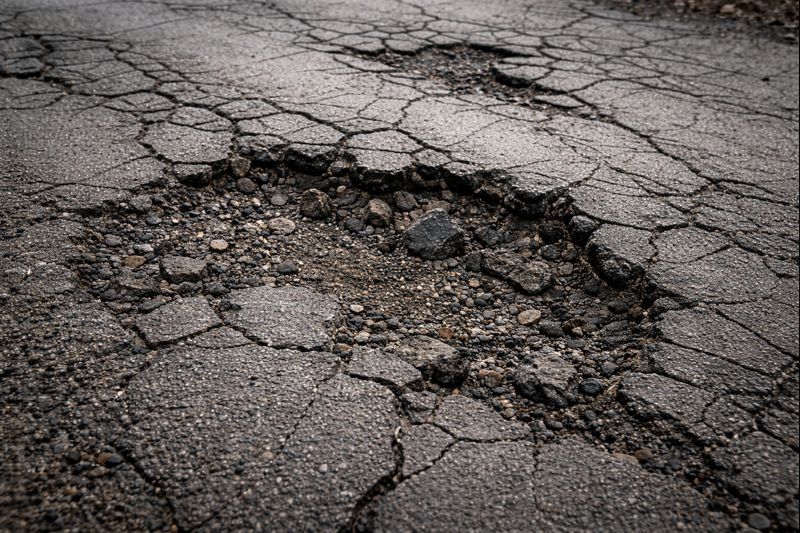
Different crack patterns can develop depending on pavement conditions and usage. Linear cracks often form along joints or areas of stress, while interconnected cracking can appear where asphalt has weakened over time.
Edge cracking may occur along driveway or parking lot borders, especially where drainage is poor or support is limited. In commercial settings, cracking is often found in high-traffic areas such as drive lanes and entrances. Identifying the type of cracking helps determine the most effective repair approach.
FREE QUOTE
Fill out your information below to receive a free quote.
Why Cracks Form in Valdosta Asphalt Surfaces
Valdosta’s climate contributes significantly to asphalt cracking. Prolonged heat and direct sun exposure cause asphalt to dry out and lose flexibility. As the surface becomes more brittle, it is less able to absorb movement and weight from vehicles.
Seasonal rainfall can worsen cracking when water enters existing openings and weakens the pavement beneath. Over time, repeated stress from traffic and environmental exposure leads to crack expansion if repairs are not performed.
Residential Asphalt Crack Repair Applications
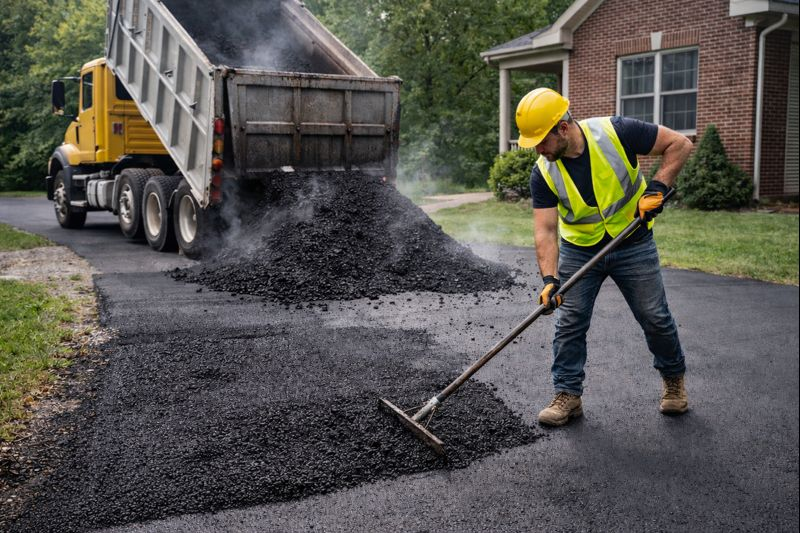
For homeowners, asphalt crack repair is commonly used to maintain driveway surfaces. Cracks can affect appearance, drainage, and vehicle safety if left untreated.
Repairing driveway cracks helps prevent further deterioration and extends the life of the asphalt surface. It also supports smoother driving conditions and reduces the need for more extensive repairs later.
Commercial Asphalt Crack Repair Applications
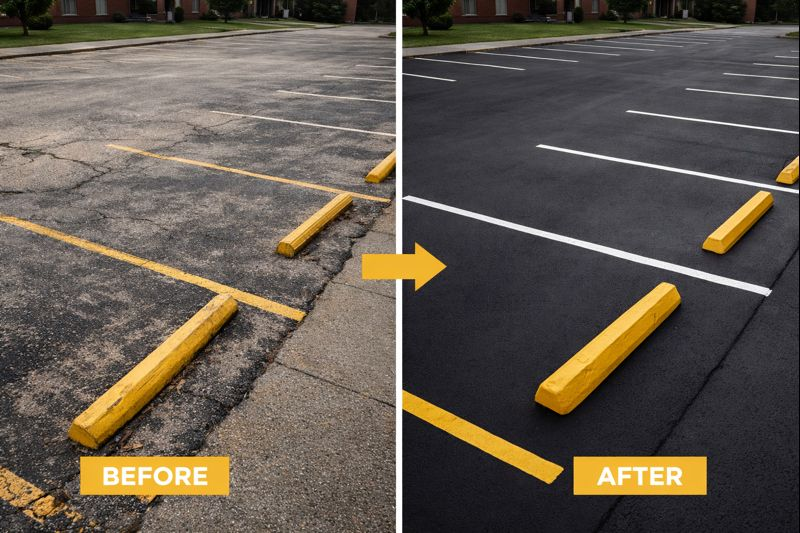
Commercial pavement experiences heavier traffic loads and more frequent use. Cracks in parking lots or drive lanes can create safety concerns and contribute to surface breakdown. Asphalt crack repair in commercial settings helps maintain usable pavement and reduce the likelihood of potholes or larger surface failures. Addressing cracks early supports safer conditions for vehicles and pedestrians while preserving pavement structure.
Factors That Influence Asphalt Crack Repair Scope
The scope of crack repair depends on several factors, including crack width, depth, pavement age, and traffic exposure. Wider or recurring cracks may indicate underlying issues that require additional attention.
Surface condition and environmental exposure also play a role. Pavement subjected to heavy sun exposure or standing water may require more comprehensive preparation to achieve lasting results. Evaluating these factors helps guide appropriate repair decisions.
Crack Repair Compared to Other Asphalt Services
Crack repair is often one of the first steps in asphalt maintenance. While it addresses surface openings, it does not correct extensive structural damage.
When cracking is widespread or accompanied by surface deterioration, additional services such as patching, resurfacing, or broader repairs may be considered. Understanding the role of crack repair helps property owners choose the right approach based on pavement condition.
What Happens If Asphalt Cracks Are Ignored
Ignoring asphalt cracks allows moisture and debris to penetrate the pavement, accelerating deterioration. Over time, cracks can expand into potholes or cause sections of asphalt to break apart. As damage spreads, repair options become more limited and costly. Addressing cracks early helps preserve pavement integrity and reduce long-term maintenance needs.
Frequently Asked Questions About Asphalt Crack Repair
What causes asphalt cracks to form in the first place?
Asphalt cracks typically develop as a result of environmental stress, traffic load, and natural aging of the material. In Valdosta, prolonged heat and sun exposure can cause asphalt to dry out and lose flexibility, making it more prone to cracking under vehicle weight. Water intrusion through small surface openings can further weaken the pavement structure over time. These factors often work together, gradually leading to visible cracking if maintenance is not performed.
Are small asphalt cracks really a problem, or can they be ignored?
Even small cracks can become a problem if left untreated. Minor surface cracks allow water, dirt, and debris to enter the pavement, which can weaken the underlying layers. As moisture penetrates deeper, cracks often widen and spread, increasing the risk of potholes or surface breakup. Addressing cracks early is one of the most effective ways to preserve asphalt and avoid more extensive repairs later.
Is asphalt crack repair a permanent solution?
Crack repair is designed to stabilize existing damage and slow further deterioration, but it is not considered permanent in the sense that asphalt will never crack again. Asphalt is a flexible surface that continues to age and respond to environmental conditions. Properly performed crack repair significantly extends pavement life and reduces damage progression, especially when combined with routine maintenance.
Can asphalt crack repair be done on both older and newer pavement?
Yes. Crack repair can be performed on both newer asphalt that has begun to show early signs of wear and older pavement with more visible cracking. The repair method and materials used may vary depending on crack size, depth, and pavement condition. Evaluating the age and overall condition of the asphalt helps determine the most appropriate repair approach.
Does crack repair improve the appearance of asphalt surfaces?
Crack repair helps improve the overall appearance of asphalt by sealing visible openings and preventing further surface breakdown. While repaired cracks may still be faintly visible, they are stabilized and less noticeable over time. In both residential and commercial settings, this contributes to a cleaner, more maintained look and helps prevent unsightly damage from spreading.
How do I know if crack repair is enough or if more extensive work is needed?
Determining whether crack repair alone is sufficient depends on the extent of damage and the condition of the pavement beneath the surface. Isolated cracking with a stable base can often be addressed through crack repair. However, widespread cracking, recurring damage, or areas with surface collapse may indicate the need for additional services. A professional evaluation helps clarify which option is most practical.
If your asphalt surface shows signs of cracking, addressing the issue early can help protect your pavement and extend its lifespan. Valdosta Asphalt Repair Pros works with residential and commercial property owners to evaluate asphalt cracking and explain appropriate repair options.